

Business Guides
Turn customer reviews into operating decisions
A practical way to turn recurring customer reviews into clear decisions on staff training, service standards and location follow-up.
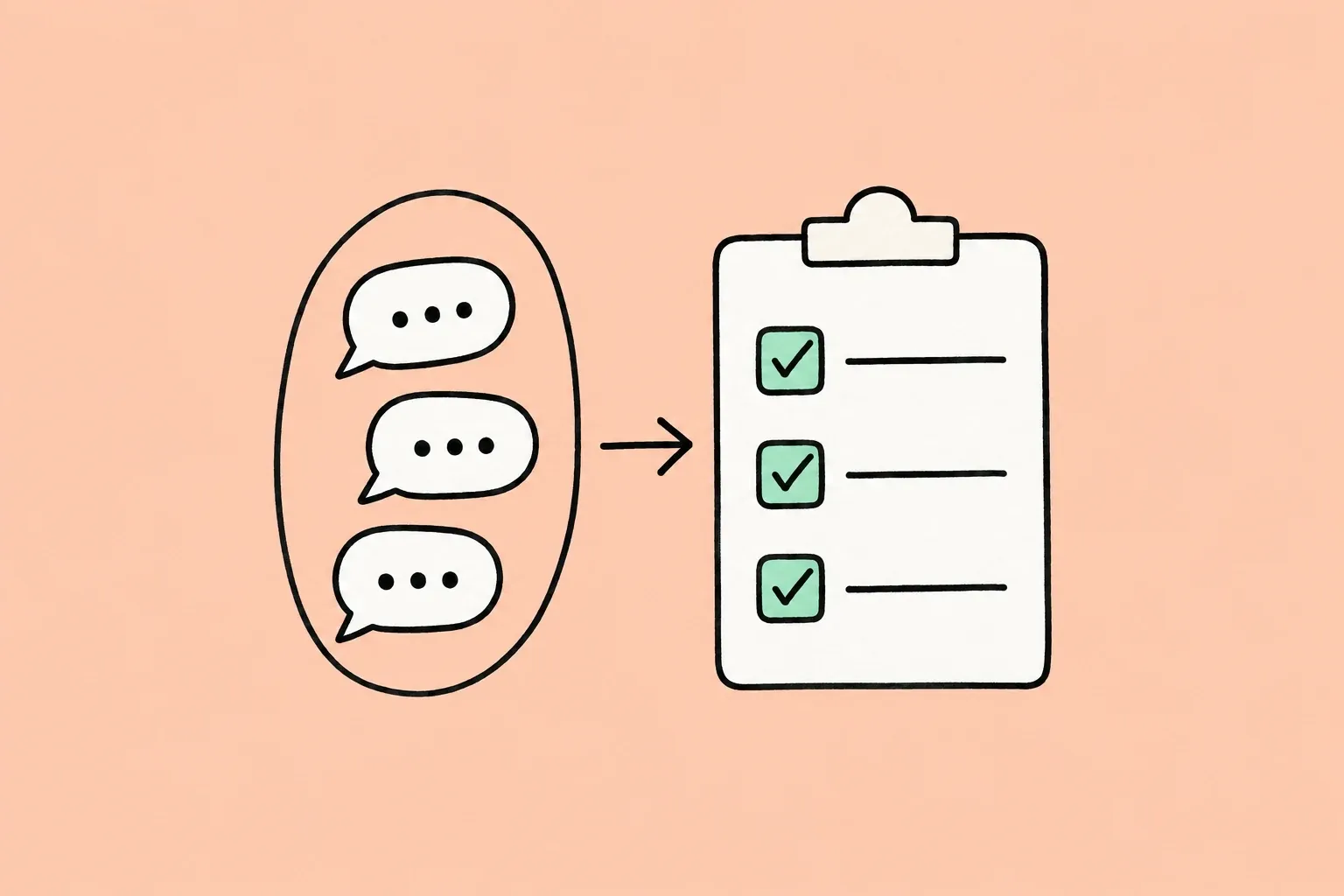
One review can matter. Repeated reviews show how your business actually runs. Most teams read reviews one at a time, explain away the negative ones and move on. A strong operating read looks for the pattern behind the individual comment.
The principle holds for a café, a clinic or a pharmacy. Google, Yandex Maps and Tripadvisor reviews¹ show you what keeps repeating, and the decision comes out of that repetition. This guide covers five principles for moving from reading reviews to making decisions.
Keep the location attached to the theme
The same phrase can point to different causes at different sites. “Service was slow” might mean a staffing gap at one location and a broken handoff between kitchen and floor at another.
Start with context: which location, which period, which touchpoint? Reception, waiting, service, payment and cleanliness belong to different people. Until a theme is tied to the right touchpoint, it can't reach the person who can fix it.
Track direction as well as frequency
How often does a theme repeat? Is it rising or falling over recent weeks? Those two questions separate a bad night from an operating pattern.
One rough evening can produce a handful of negative reviews. When the same theme comes from different customers on different days across a month, the problem is in the process, not the moment. Fidkeep's monthly report groups reviews by topic, sentiment and category for each location, shows the trend, and links every insight to the real reviews behind it.
Read the positive reviews too
An operating read is not a hunt for complaints. What customers keep praising is what you need to protect. If a vet clinic's reviews praise the care but criticize the wait for appointments, the problem is the flow, not the service. That distinction keeps you from investing in the wrong place. A habit customers praise at one location is a standard the others can adopt.
Make the action small and observable
“Improve service” is a wish, not a decision. Pick one concrete change instead:
- Staff training focused on one touchpoint
- Clear ownership during the busiest shift
- One change to the service process or cleaning routine
- A field visit to the location falling behind
Give every action an owner and a check-in date. If nobody knows who changes what by when, next month's report will say the same thing. If the theme drops down the report, you're on track. If it holds its place, revisit the action.
Don't confuse the reply with the improvement
A careful, timely reply shows everyone reading the review that the business listens. But a reply is not an improvement. The operational change is a separate step.
Fidkeep keeps both in one place. AI drafts follow your brand voice and the reviewer's language, your team edits and approves them, and the reply goes live on Google. The report shows which pattern those reviews belong to.
Reading reviews is easy. Turning them into decisions takes discipline. Keep the context, watch the direction, pick one action and read the result in the next report. Each cycle makes the next improvement clearer.